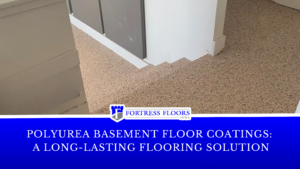
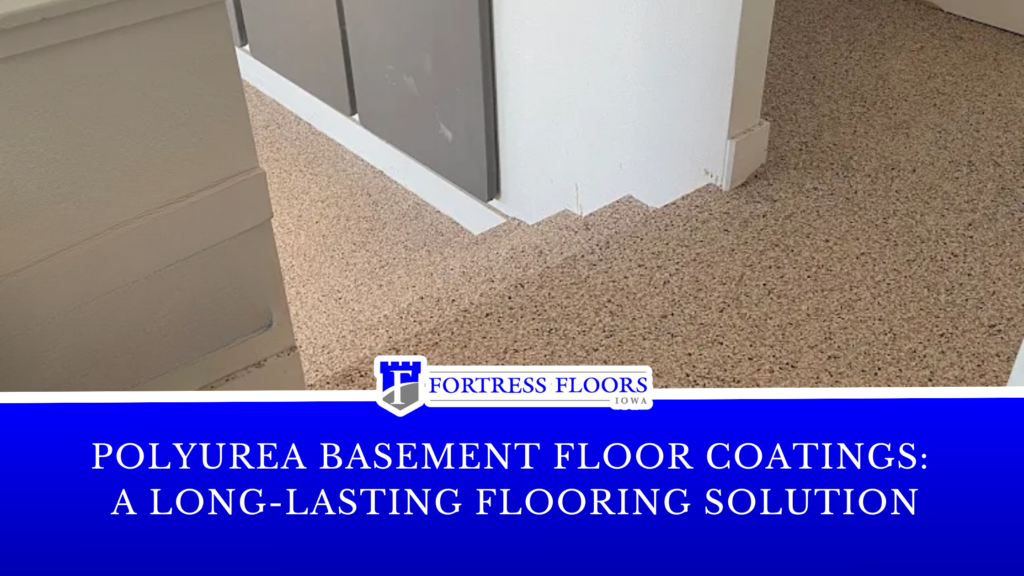
Think about what your basement floor goes through every year. Water from the ground seeps up through the concrete, summer air makes it damp, and cold winters can make it crack. Spills, heavy boxes, and gym weights add even more wear. Basement floor coatings protect the concrete and turn a dull gray floor into a clean space you will enjoy using.
Polyurea has become one of the most trusted materials for this job. This article walks through how it protects a basement slab, why it lasts longer than most alternatives, and what a professional installation involves. It also covers what to check before coating a basement in Iowa’s climate.
Key Takeaways
- Polyurea is a flexible, fast-curing coating that bonds tightly to properly ground concrete.
- A professionally installed coating can last 15 to 20 years or more with basic care.
- Surface preparation matters more than any other step in the process.
- A coating protects the slab, but it does not fix active leaks or replace radon mitigation.
- Many basement projects are complete within one to two days.
How Does a Polyurea Coating Protect a Basement Slab?
Polyurea basement floor coatings are protective layers applied over a concrete slab to seal, strengthen, and beautify it. Polyurea is an elastomer formed by a rapid chemical reaction between an isocyanate component and an amine resin blend. The result is a tough, flexible film that bonds to concrete and cures far faster than traditional epoxy.
Originally developed for industrial uses such as truck bed liners, tank linings, and waterproofing membranes, polyurea has moved into homes because of its toughness. Residential systems typically combine a polyurea base coat, a decorative flake layer, and a clear polyaspartic topcoat for added protection.
Polyurea is already a popular choice for Iowa garages. Our article on why Iowa homeowners are switching to polyurea garage floor coatings covers garage floors, while this guide stays focused on basements.
Why Basements Need a Specialized Floor Coating
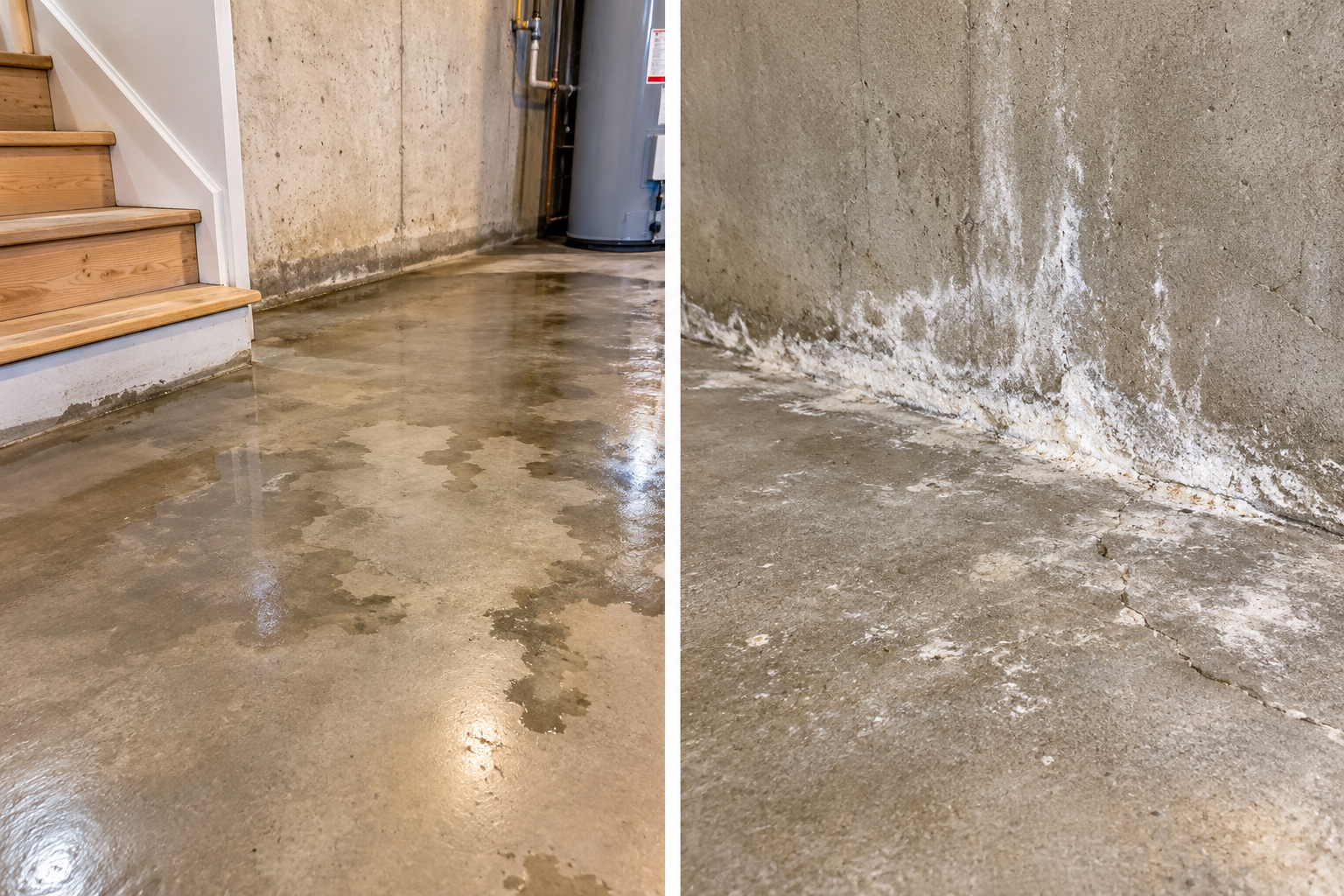 A basement slab sits below grade, which means it faces conditions that a living room floor never sees. Groundwater, humidity, and cool surfaces create a constant cycle of moisture that can damage the wrong type of flooring.
Our earlier post on durable basement floor coatings covers the warning signs of a failing basement floor. The conditions below are what set basement floors apart from the rest of the house.
Moisture Vapor and Dampness
Concrete is porous. Moisture vapor moves up through the slab and can leave behind white, powdery deposits called efflorescence. Carpet can trap that moisture and grow mold, and some coatings blister or peel when vapor pressure builds underneath them.
Cool Slabs and Summer Condensation
Basement slabs stay cool all year. Warm, humid Iowa summer air can condense on that cool concrete and leave the surface damp. Seasonal ground temperature changes also cause slight slab movement, which a flexible material like polyurea handles better than a rigid coating.
Everyday Wear and Tear
Today’s basements serve as family rooms, home gyms, workshops, and laundry areas. Each use brings dropped weights, chemical spills, rolling carts, and heavy foot traffic. A durable concrete floor coating keeps the surface clean and intact under all of it.
Key Benefits of Polyurea Basement Floor Coatings
Homeowners usually choose polyurea for its strength, but the benefits go further than that. Here is what stands out once the floor is in place.
Superior Moisture Resistance
Polyurea forms a dense, seamless barrier over the concrete. The coating resists surface water from spills, washing machine leaks, and humidity, which keeps the floor easy to wipe dry. Proper surface preparation and moisture testing help the coating hold its bond in damp conditions.
Flexibility That Resists Cracking
Polyurea stays slightly elastic after it cures. That flexibility helps it handle minor slab movement and temperature changes without chipping, flaking, or peeling when installed correctly.
Stain and Chemical Resistance
Paint, oil, bleach, cleaning products, and pet accidents wipe away without soaking into the concrete. A polyaspartic topcoat adds another layer of protection and keeps the finish from yellowing over time.
Fast Installation and Minimal Downtime
Epoxy can take several days to cure fully. Polyurea cures quickly, so many basement projects are complete within one to two days, depending on size and slab condition. Your family gets the space back sooner.
Easy Maintenance
A seamless coated floor has no grout lines or carpet fibers to trap dust, allergens, and mildew. Routine care usually means sweeping and occasional mopping with a mild cleaner.
Custom Appearance
Decorative flake blends come in a wide range of colors and textures. The flakes also hide minor imperfections and add slip resistance underfoot. You can browse options on our finished concrete colors page.
Why Polyurea Outperforms Epoxy in Damp Basements
Epoxy works well in dry, heated spaces, but basements are rarely dry. Moisture vapor rising through the slab can push a rigid epoxy layer loose, which leads to blistering and peeling. Epoxy also cures slowly on a cool basement slab, while polyurea cures quickly and stays flexible. Our epoxy vs. polyurea comparison covers the full breakdown.
How Professional Installation Works
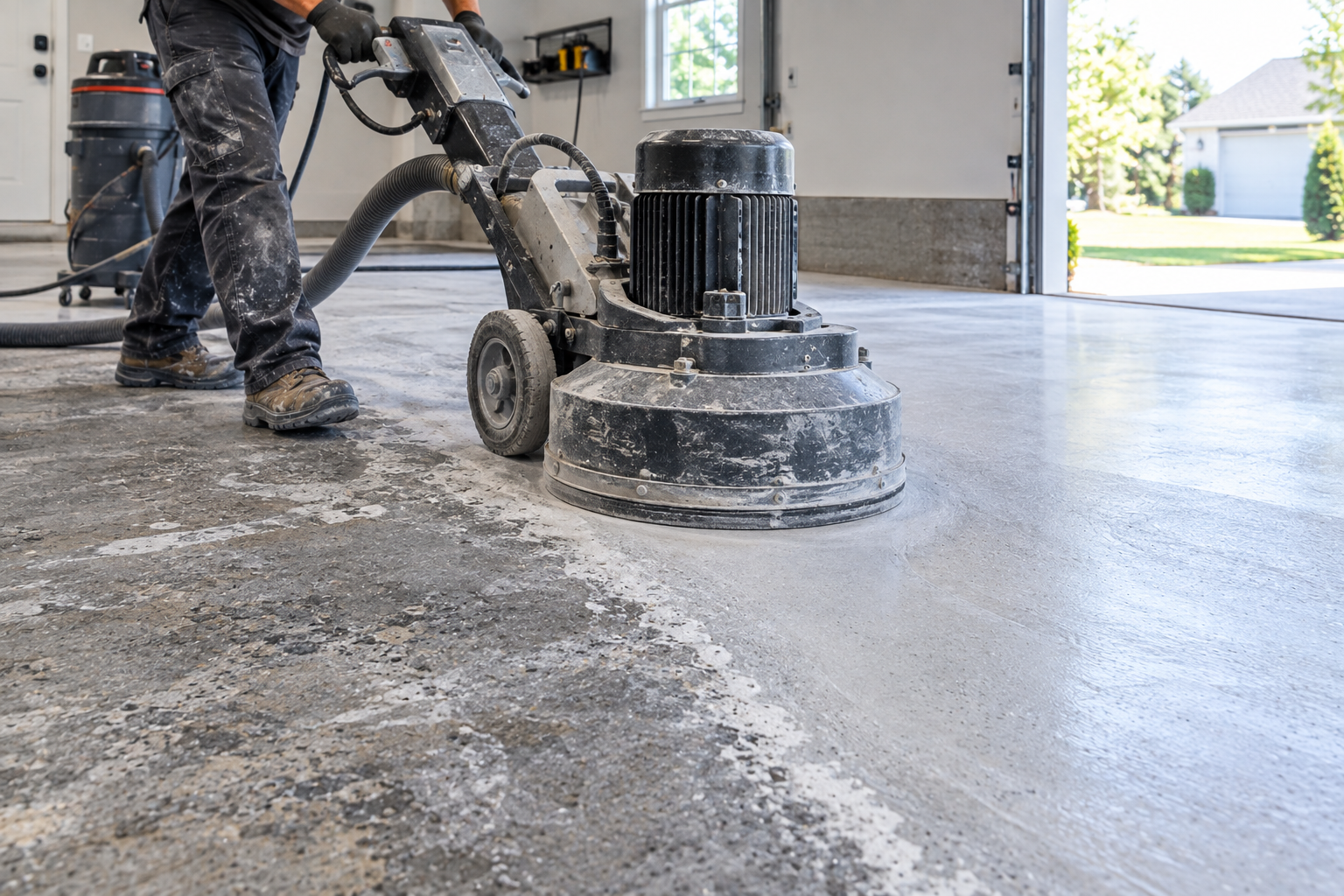 A coating is only as strong as its bond to the concrete. Fortress Floors of Iowa follows a careful, step-by-step process on every basement project.
- Inspection and moisture assessment. We check the slab for cracks, old coatings, and signs of moisture before work begins.
- Mechanical grinding. Diamond grinding opens the concrete pores and removes sealers, paint, and contaminants so the coating can bond deeply.
- Crack and surface repair. We fill cracks, chips, and pitted areas to create a smooth, even base.
- Polyurea base coat. A polyurea base layer goes down and bonds tightly with the prepared concrete.
- Decorative flake broadcast. Color flakes are broadcast across the wet base coat for texture, style, and grip.
- Polyaspartic topcoat. A clear topcoat seals the system and adds stain, scratch, and UV resistance.
Grinding is especially important in basements, where old paint, sealers, and efflorescence often cover the slab. A coating applied over those layers bonds to them instead of the concrete itself.
What to Check Before Coating Your Basement Floor
A quality coating protects concrete, but it cannot solve every basement problem. A trustworthy contractor will point out these issues before installation begins.
- Active leaks: Water flowing through cracks or wall joints must be fixed with drainage, sealing, or grading solutions first.
- Hydrostatic pressure: Groundwater pushing up through the slab can affect any coating, so persistent wet spots need evaluation.
- High moisture readings: Slabs with very high vapor emission may need extra preparation or a specialized primer.
- Radon concerns: Sealing cracks can help, but a coating does not replace a tested radon mitigation system.
Ben Lensing, owner of Fortress Floors of Iowa, brings more than 25 years of industry experience and also operates a radon mitigation company. That background gives our team a deeper understanding of how moisture, soil gas, and concrete behave below grade. The EPA recommends testing homes for radon, and we encourage homeowners to test before finishing a basement.
Where Polyurea Basement Coatings Work Best
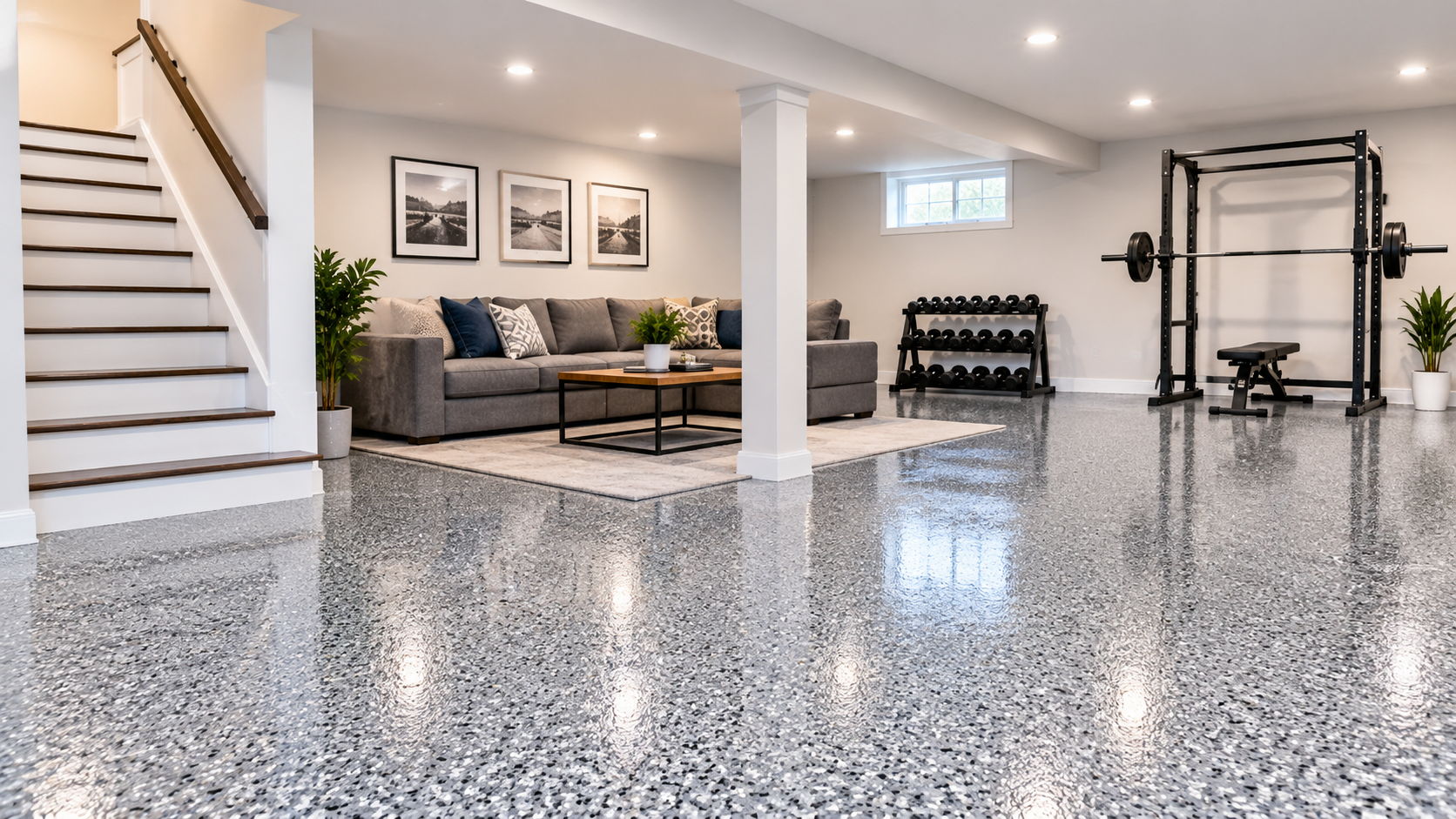 Polyurea suits nearly any basement space that sees moisture, traffic, or spills. Popular uses include:
- Finished family rooms and media rooms
- Home gyms and workout areas
- Laundry and utility rooms
- Workshops and hobby spaces
- Storage areas and mechanical rooms
How Long Do Polyurea Basement Floor Coatings Last?
A professionally installed polyurea basement floor coating can last 15 to 20 years or more with basic care. Lifespan depends on surface preparation, slab moisture, and how the space is used. Basements see no road salt or hot tires, so coatings there often outlast garage floors.
Regular sweeping, prompt spill cleanup, and felt pads under heavy furniture keep the finish looking new for years.